


When buyers search for the most realistic sex doll, they often think they are looking for one specific model. In reality, they are usually looking for a combination of visual signals that create a stronger lifelike impression.
That is an important distinction.
Realism is rarely created by one feature alone. It is not just about a face, not just about size, not just about material, and not just about price. A figure tends to look more realistic when multiple design elements support the same overall visual direction.
This is where many buyers get misled. They may focus on a single detail that looks impressive in isolation, but realism usually depends more on coherence than on one standout trait.
So the real question is not:
“Which option is the most realistic?”
It is:
“Which design factors work together to create the strongest lifelike impression?”
That is the question buyers should compare first.
Why Realism Is Often Misunderstood
One reason realism is so misunderstood is that buyers often use the word as if it means the same thing to everyone.
It does not.
For some people, realism means a softer and more natural-looking face. For others, it means better body proportions. Some associate realism with material and finish. Others are responding to size, silhouette, or how balanced the overall design feels.
This is why realism is not a simple category label. It is a layered visual effect.
A buyer may think they want “the most realistic” option, but what they actually want may be:
- a more natural face
- a more balanced body
- less exaggerated styling
- smoother finish
- a more believable overall silhouette
That difference matters because it changes how you should compare options.
The strongest realism decisions usually do not come from chasing one “best” answer. They come from recognizing which factors create realism for you personally — and which ones only look impressive in isolation.
Body Proportions Matter More Than Most Buyers Expect
One of the biggest realism factors is body proportion.
This is because realism is often read from the silhouette before it is read from details. Buyers may not consciously think in those terms, but the eye notices proportion very quickly.
A design tends to feel more realistic when:
- body balance feels natural
- the silhouette does not rely too heavily on one feature
- the body line looks coherent from top to bottom
- no single trait overwhelms the whole impression
This is why exaggerated emphasis on one feature can reduce realism, even if that feature looks visually striking on its own.
A more lifelike impression usually depends on proportion harmony rather than feature intensity.
If you are still comparing silhouette directions, our body type buying guide can help clarify whether you lean more petite, fuller, or more balanced in your realism preferences.
Realism often starts with proportion before it reaches detail.

Face Style Usually Defines the Emotional Tone First
For many buyers, face style is the single fastest realism signal.
That makes sense because people tend to read expression, symmetry, and overall facial balance before they judge smaller details. A face can instantly feel:
- softer
- more restrained
- more natural
- more stylized
- more idealized
- more character-driven
The issue is that many buyers confuse “attractive” with “realistic.” Those two things can overlap, but they are not the same.
A face usually looks more realistic when:
- the features feel balanced
- the expression is not overly exaggerated
- the styling feels consistent with the body
- the visual tone feels restrained enough to remain believable
This is why realism often drops when face style and body direction tell different visual stories. Even good features can feel less convincing if they do not belong together.
If you are trying to compare realism through design rather than label alone, it helps to browse realistic sex dolls and focus on face-body coherence first.

Surface Finish and Presentation Affect Realism More Than People Admit
Some buyers talk about realism as though it exists only in form, but finish and presentation play a major role too.
A figure may have strong proportions and a suitable face style, yet still feel less lifelike if the overall presentation does not support those strengths.
This is where finish matters:
- smoother visual presentation
- more refined transitions across the figure
- better overall balance in how the design is perceived
- a less artificial first impression
This is also why material direction becomes relevant. Buyers who care strongly about realism often end up caring about presentation quality more than they expected.
If finish, surface quality, and overall presentation matter to you, compare silicone sex doll options before treating realism as a face-only or body-only issue.
Realism is not only about what is designed. It is also about how that design is visually carried.
Size and Silhouette Balance Change How Realism Is Read
A lot of buyers underestimate how much size changes realism perception.
This happens because size is often treated as a practical choice, but it also changes how the entire design is interpreted. A figure that looks balanced in one size range may not create the same effect in another if the overall silhouette no longer feels aligned.
That does not mean larger automatically means more realistic. It means size changes the way realism is experienced.
A better realism comparison asks:
- does the size support the body proportions?
- does the scale help the face and body feel coherent?
- does the figure feel complete, or slightly off in balance?
This is one of the reasons many buyers benefit from reading a sex doll size guide before making realism judgments too quickly. Sometimes what feels “less realistic” is really a mismatch in scale expectation, not a failure of design.
Silhouette logic matters as much as detail quality.
Realism Depends on Coherence, Not Just Strong Features
This is the most important factor in the entire article.
A doll tends to look more realistic when all major elements support the same visual direction:
- body proportion
- face style
- size balance
- realism level
- finish and presentation
- overall visual restraint or emphasis
This is why feature stacking often weakens realism. A buyer may like several traits separately, but if those traits do not belong to the same design logic, the final result becomes less believable.
Coherence is what makes a figure feel intentional.
And realism, in many cases, is simply what happens when the viewer stops noticing conflict between the parts.
That is why realism is not about finding the single strongest feature.
It is about removing mismatch.
Material Direction Often Supports Realism, But Does Not Replace It
A lot of buyers assume material alone determines realism.
That is only partly true.
Material can support realism because it changes presentation, finish, and the way the figure is visually perceived. But material cannot fix a design that lacks coherence.
This is where some buyers go wrong. They assume that choosing a realism-oriented material direction automatically guarantees the most lifelike result. In practice, material only becomes powerful when it supports an already coherent design.
So it is better to think this way:
- design creates the direction
- proportion creates the structure
- face style creates the tone
- material supports the final presentation
That sequence is much more useful than assuming one factor alone defines realism.
Price and “Most Realistic” Are Not the Same Thing
This is another place where buyers get pulled in the wrong direction.
A higher price may reflect category positioning, complexity, or finish expectations, but price alone does not tell you which option will look the most realistic to you.
Some buyers use price as a shortcut because it feels easier than comparing design factors directly. But realism is too dependent on preference and visual coherence for price to answer the question alone.
A better approach is to ask:
- does this option feel visually consistent?
- does the face style support the body?
- does the size make the realism stronger or weaker?
- does the finish support the design direction?
- does the figure feel balanced rather than assembled?
That kind of comparison tells you far more than price ever can.
Common Buyer Questions
What makes a sex doll face look more realistic?
A face usually looks more realistic when the features feel balanced, the expression is restrained, and the face style matches the rest of the body. Buyers often confuse “attractive” with “realistic,” but realism usually comes from symmetry, moderation, and coherence rather than one dramatic facial detail.
Does body type affect realism more than buyers expect?
Yes. Body type affects realism a lot because the eye reads silhouette very quickly. A balanced body direction often feels more realistic than a feature-heavy one, even if one emphasized feature looks striking on its own. This is why realism depends as much on silhouette logic as on face or material.
A Better Way to Compare Realism
If you want a stronger realism-based buying process, compare in this order:
1. Start with the silhouette
Does the body feel balanced and coherent?
2. Move to face style
Does the face feel natural, restrained, and aligned with the body?
3. Check finish and material direction
Does the presentation help the design look more lifelike?
4. Compare size and overall scale
Does the figure still feel balanced at that size?
5. Look for coherence, not isolated highlights
Do all the factors reinforce the same realism direction?
This is the point where many buyers benefit from reading our custom sex doll guide as well, especially if they are trying to understand how face, body, and realism choices work together instead of separately.
The more realism matters to you, the less useful isolated comparisons become.
Final Verdict
What makes a doll look more realistic is not one perfect feature. It is the way several key factors work together:
- body proportions
- face style
- finish and presentation
- size balance
- material support
- overall coherence
For most buyers, the strongest realism does not come from the most dramatic option. It comes from the option where the parts feel the most aligned.
So the real question is not:
“Which one is the most realistic?”
It is:
“Which one creates the most believable and coherent visual impression overall?”
That is where the best realism decisions usually begin.

Ready to Compare Realistic Doll Options?
Understanding what creates a realistic appearance is the first step. If you are ready to compare actual models, explore our most realistic sex dolls collection to review lifelike facial details, body proportions, materials and available options.
FAQ
What makes a sex doll look more realistic?
Usually a combination of body proportion, face style, finish, size balance, material direction, and overall visual coherence.
Is face style more important than body type?
For many buyers, face style shapes the first impression faster, but body proportion is often just as important in creating realism.
Does bigger always look more realistic?
Not always. Realism depends more on scale balance and coherence than on size alone.
Is material the main realism factor?
Material can strongly support realism, but it does not replace good design structure and coherence.
Why do some expensive options still not feel realistic?
Because price does not automatically create body balance, face coherence, or better overall realism for every buyer.
Compare Next
Custom Sex Doll Buying Guide
Learn how to choose a custom sex doll by deciding size, body type, face style, realism level, and design coherence before selecting customization options.
How to Buy Sex Dolls Online
Learn how to compare sex dolls for sale by size, realism, body type, material direction, and long-term fit before choosing “best” or “cheap” options.
Related Guides
TPE vs Silicone Sex Doll
Compare TPE vs silicone sex doll options by realism, maintenance, finish, durability expectations, and long-term ownership fit before choosing the right material direction.
Body Type Buying Guide
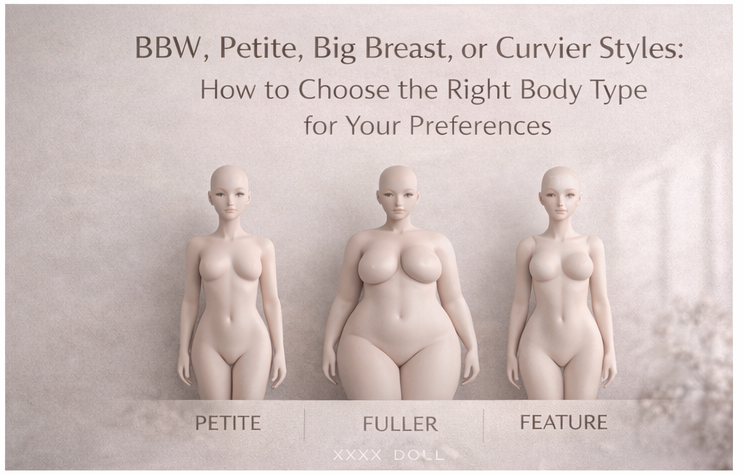
Compare BBW, petite, big breast, and curvier body directions by silhouette, realism, size balance, and long-term preference before choosing the right body type.
Sex Doll Size Guide
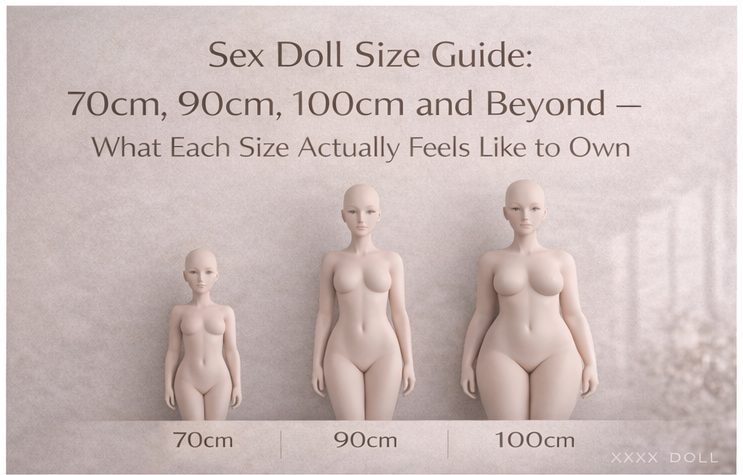
Compare sex doll size options by 70cm, 90cm, 100cm and beyond, including weight, storage, handling, realism expectations, and long-term ownership fit.
Start Here
Body Type Buying Guide
Compare BBW, petite, big breast, and curvier body directions by silhouette, realism, size balance, and long-term preference before choosing the right body type.
TPE vs Silicone Sex Doll
Compare TPE vs silicone sex doll options by realism, maintenance, finish, durability expectations, and long-term ownership fit before choosing the right material direction.