


When buyers compare a TPE sex doll with a silicone sex doll, they often assume they are comparing one feature: material.
In reality, they are comparing a much bigger ownership decision.
Material affects more than the surface of the product. It influences how realism is perceived, how presentation reads visually, how much maintenance feels acceptable, and whether the overall ownership experience matches what the buyer thought they were choosing in the first place.
That is why this comparison matters so much.
A buyer may begin with a simple question like “Which material is better?” but the stronger question is usually:
“Which material direction fits my expectations for realism, upkeep, and long-term satisfaction more naturally?”
That is where better decisions begin.
Why Buyers Often Compare Material Too Narrowly
One of the biggest mistakes in this category is treating material like an isolated specification.
That sounds reasonable at first. Buyers see TPE and silicone listed as two options, so they assume the choice can be made in the same way they compare any other product spec.
But material does not work like an isolated checkbox.
A material choice changes:
- how the finish is perceived
- how realism is read visually
- how much upkeep feels manageable
- how strongly the buyer responds to presentation quality
- how stable the design feels over time as an ownership choice
This is why material is not just a technical decision. It is an experience decision.
A buyer who chooses mainly by assumption often ends up comparing the wrong thing. They think they are choosing a material, but they are really choosing a relationship with maintenance, realism, and long-term fit.
That is why the better comparison is not:
“Which material sounds better?”
It is:
“Which material fits the kind of ownership experience I actually want?”
1. Realism Is Not Only About Material, But Material Does Influence It
A lot of buyers assume realism begins and ends with material.
That is not quite true.
Realism is created by several factors working together:
- body proportion
- face style
- finish and presentation
- size balance
- coherence
- material support
Material matters because it changes how those design decisions are visually carried. It can strengthen realism, but it does not replace good design.
This is where buyers often get pulled into oversimplified thinking. They may assume silicone automatically means the most realistic result, or that TPE automatically means a weaker one. In practice, realism depends on how well the whole design works together.
Still, material can influence the final impression a lot.
Buyers who care strongly about refined finish, stronger visual polish, and a more premium realism-oriented presentation often find themselves leaning toward silicone. Buyers who care more about a different balance of practicality, material direction, and access point may approach TPE differently.
If realism is the main priority, start by reading what makes a doll look more realistic before treating material as the only deciding factor.
Material supports realism. It does not invent it on its own.
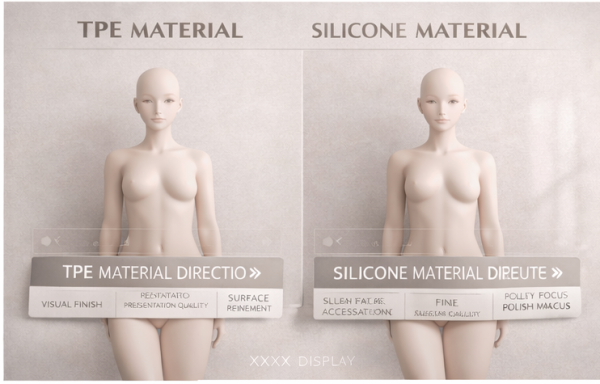
2. Silicone Usually Appeals to Buyers Who Prioritize Presentation and Finish
A silicone sex doll usually appeals most strongly to buyers who care about:
- refined visual presentation
- stronger premium category feel
- finish quality as part of realism
- a more polished realism-oriented browsing direction
- a buying path that leans toward presentation-first comparison
This is why silicone often becomes attractive to buyers whose first priority is not only ownership, but visual impression.
The important point is not that silicone is “better” in a universal sense. It is that it often fits a certain type of expectation more naturally.
That expectation usually sounds like this:
- I want the design to feel more premium
- I care how the figure reads visually from the first impression
- I am willing to compare more carefully for finish and coherence
- I want material to reinforce realism, not just exist as a background detail
That is why buyers who already know they want a stronger presentation-oriented route often benefit from browsing silicone sex doll options directly instead of beginning with a purely technical comparison.
Silicone tends to fit buyers who compare with their eyes first and their maintenance tolerance second.
3. TPE Usually Attracts Buyers with a Different Ownership Logic
A TPE sex doll often attracts buyers who are not only comparing visual outcome, but also overall entry point, category logic, and how the ownership path feels in practical terms.
That does not mean TPE buyers do not care about realism. It means their decision structure may look different.
They may be thinking:
- how do I want this ownership experience to feel overall?
- what level of upkeep is realistic for me?
- how much does material direction matter compared with the rest of the design?
- am I looking for the most premium presentation, or the best fit for my own balance of factors?
This is why TPE should not be treated as a “lower” choice by default. It is simply a material path that often fits a different comparison mindset.
Some buyers start from material flexibility, some from overall fit, some from realism trade-off, and some from how much presentation polish they truly need in order to feel satisfied.
That is what makes the comparison more nuanced than people expect.
4. Maintenance Mindset Matters More Than Buyers Expect
This is one of the most important parts of the entire decision.
A lot of buyers compare materials by appearance, but they will live with their maintenance pattern much longer than they will live with the original comparison excitement.
That is why the right material often depends on maintenance mindset:
- do you want lower-friction upkeep?
- are you detail-oriented about care?
- do you value presentation enough to accept a more deliberate ownership rhythm?
- do you want something that fits your habits as much as your visual preference?
The wrong material choice often happens when someone chooses based on image alone, while underestimating the maintenance logic that comes with it.
This is not about saying one material is universally easy and the other is universally difficult. It is about recognizing that your tolerance for upkeep is part of the product fit.
Buyers who ignore this usually do not regret the material itself. They regret the mismatch between the material and their actual ownership habits.

Common Buyer Questions
Which material is better for first-time buyers, TPE or silicone?
That depends on what the buyer values most. Silicone often attracts buyers who care strongly about finish, presentation, and a more premium realism-oriented route. TPE may make more sense for buyers who are comparing overall fit more broadly and want to weigh practicality and ownership comfort just as carefully as visual impression. The better material is the one that fits your actual priorities, not the one that sounds more correct.
Does silicone always look more realistic than TPE?
Not automatically. Silicone often supports a more refined visual presentation, which can strengthen realism for some buyers, but realism still depends on body proportion, face style, size balance, and overall coherence. Material can support realism, but it cannot replace good design.
5. Long-Term Ownership Fit Should Come Before Short-Term Impression
Many buyers compare TPE vs silicone based on what feels strongest in the moment.
That is understandable. Material often creates a fast impression because it seems to promise a more immediate answer.
But stronger long-term decisions usually come from asking:
- what kind of ownership rhythm feels sustainable to me?
- what level of finish matters to me six months later, not just today?
- what would annoy me more over time: less presentation polish, or a material path that does not match my habits?
- which direction still makes sense after the excitement of comparison fades?
This is where the material choice becomes more honest.
A buyer may think they want the route with the strongest premium impression, but later realize their actual preferences were more about overall fit than maximum polish. Another buyer may start from a broader comparison mindset, then realize presentation matters much more to them than they expected.
That is why material decisions should be made against long-term fit, not only short-term attraction.
6. Material Should Match the Rest of the Design Direction
A strong material decision is rarely made in isolation.
Material works best when it supports:
- the size range
- the body direction
- the face style
- the realism goal
- the overall design coherence
This is why some buyers get confused. They choose a material first, then try to force the rest of the design to justify it. That usually creates a weaker buying process.
A better route is to let your design direction clarify what kind of material support makes sense.
For example:
- if realism and premium finish are central, silicone may align more naturally
- if the overall comparison path is broader and more ownership-fit oriented, TPE may enter the decision differently
- if you are still unclear about silhouette and scale, material should not be the first thing you lock
This is why many buyers also benefit from a sex doll size guide before turning material into the primary decision. Sometimes what feels like a material problem is really a mismatch in scale, design expectation, or category direction.
Material becomes clearer when the rest of the design is already making sense.
7. The Best Comparison Is Not “TPE vs Silicone,” But “Which Route Fits Me Better?”
This is the comparison that actually matters.
Instead of asking:
- which material is better?
- which one sounds more premium?
- which one gets talked about more?
- which one feels like the “correct” answer?
try asking:
- which one matches my realism priority?
- which one fits my maintenance mindset?
- which one supports the design direction I actually want?
- which one still feels right when I think long-term?
- which material is supporting my real preference rather than my assumption?
That shift changes the whole process.
A better decision usually appears once the buyer stops looking for one universal winner and starts looking for the better match.
That is what material comparison should really be about.
A Better Way to Compare TPE and Silicone
If you want a clearer material decision, compare in this order:
1. Start with realism priority
Do you want premium visual presentation first, or a broader overall fit?
2. Check maintenance mindset
What kind of ownership rhythm feels natural to you?
3. Compare finish and presentation
How much does refined surface quality influence your decision?
4. Match material to design direction
Does the material support the face, body, size, and coherence you want?
5. Think long term
Which choice still makes sense after the first impression fades?
This is also where many buyers benefit from reading our custom sex doll guide, especially if they are trying to understand how material should support design instead of replacing it.
The better the structure, the easier the material decision becomes.
Final Verdict
A TPE sex doll and a silicone sex doll are not just two materials. They often represent two different buying logics.
For many buyers, silicone makes more sense when:
- realism presentation matters most
- finish quality strongly shapes satisfaction
- premium visual direction is a top priority
For many buyers, TPE makes more sense when:
- the material decision is being weighed inside a broader ownership-fit comparison
- realism is important, but not the only deciding factor
- the final choice depends on how all the priorities balance together
So the real question is not:
“Which material is better?”
It is:
“Which material route fits my realism expectations, maintenance mindset, and long-term ownership style more naturally?”
That is where the strongest material decisions usually begin.

Turn the Material Comparison Into a Buying Decision
If you already understand the main differences between TPE and silicone, use our buying decision page to choose based on your priorities for realism, softness, flexibility, budget, body size and handling.
Choose Between Silicone and TPEFAQ
Is silicone always more realistic than TPE?
Not automatically. Silicone often supports a more premium realism-oriented presentation, but realism still depends on body proportion, face style, finish, and overall coherence.
Is TPE a weaker choice?
Not by default. TPE often fits a different ownership logic and should be compared based on fit, not assumption.
What matters more: realism or maintenance?
That depends on the buyer. The strongest choice usually comes from understanding how those priorities balance for you personally.
Should I choose material before size and body direction?
Usually no. Material makes more sense after the overall design direction starts becoming clear.
Why do buyers regret material choices?
Most regret comes from mismatch — not between two materials, but between the chosen material and the buyer’s actual expectations and habits.
Compare Next
How to Buy Sex Dolls Online
Learn how to compare sex dolls for sale by size, realism, body type, material direction, and long-term fit before choosing “best” or “cheap” options.
Body Type Buying Guide
Compare BBW, petite, big breast, and curvier body directions by silhouette, realism, size balance, and long-term preference before choosing the right body type.
Related Guides
What Makes a Doll Look More Realistic

Learn what makes a sex doll look more realistic by comparing body proportions, face style, surface finish, material direction, size balance, and overall visual coherence.
Sex Doll Size Guide
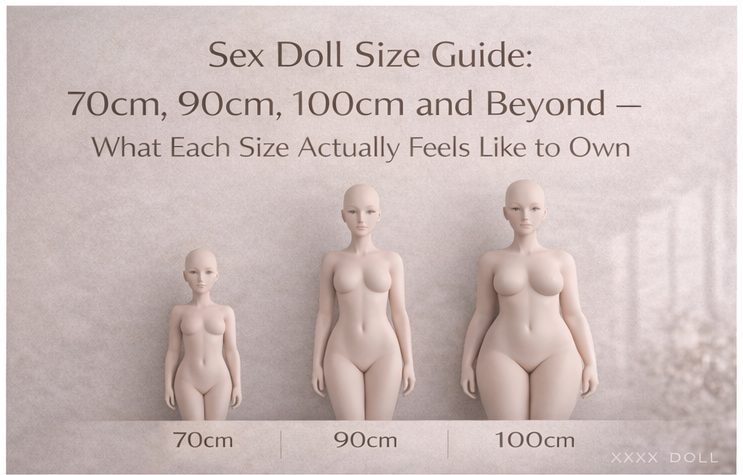
Compare sex doll size options by 70cm, 90cm, 100cm and beyond, including weight, storage, handling, realism expectations, and long-term ownership fit.
Custom Sex Doll Buying Guide
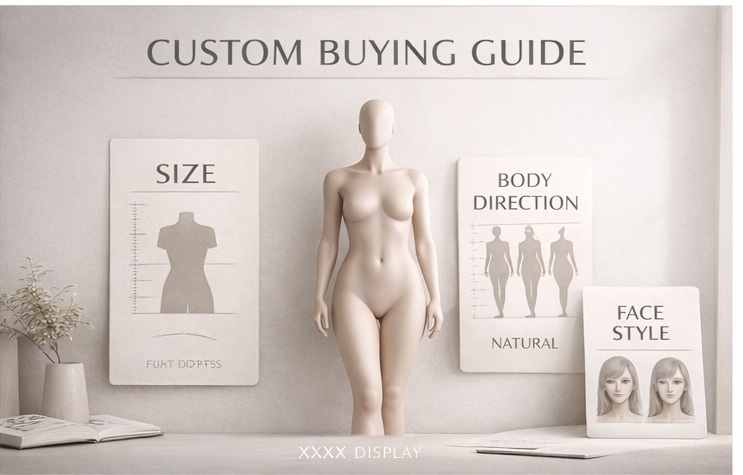
Learn how to choose a custom sex doll by deciding size, body type, face style, realism level, and design coherence before selecting customization options.
Start Here
What Makes a Doll Look More Realistic
Learn what makes a sex doll look more realistic by comparing body proportions, face style, surface finish, material direction, size balance, and overall visual coherence.
Sex Doll Size Guide
Compare sex doll size options by 70cm, 90cm, 100cm and beyond, including weight, storage, handling, realism expectations, and long-term ownership fit.