

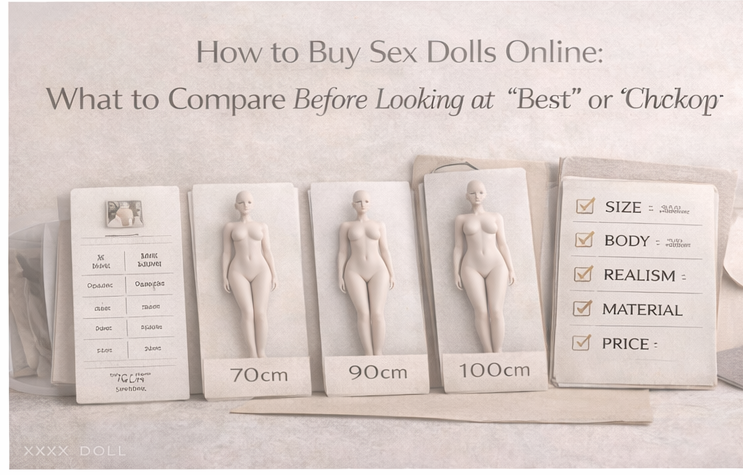
When buyers search for sex dolls for sale, they often think they are close to a final decision.
In reality, many of them are still at the beginning.
That is because “for sale,” “best,” and “cheap” are not clear product decisions by themselves. They are search shortcuts. They reflect buying intent, but they do not yet explain what kind of figure actually fits the buyer’s space, expectations, realism preference, or long-term comfort.
This is where a lot of mistakes begin.
A buyer may think they are comparing value, but they are often comparing without a structure. They look at prices before size, hype before silhouette, and labels like “best” before they even know what kind of body direction or realism level they personally prefer.
So the better question is not:
“Which listing looks best right now?”
It is:
“What should I compare first so I know what ‘best’ or ‘cheap’ actually means for me?”
That is where stronger buying decisions usually begin.
Why “Best” and “Cheap” Often Mislead Buyers
One of the biggest buying mistakes happens when buyers treat “best” and “cheap” like objective answers.
They are not.
A “best” option for one buyer may be a poor fit for another if:
- the size is wrong
- the body direction feels off
- the realism level does not match the buyer’s taste
- the material route does not fit the buyer’s expectations
- the ownership demands feel heavier than expected
The same is true of “cheap.”
A cheaper option is not automatically bad, and a more expensive option is not automatically right. But both become misleading when price is compared before fit.
This is why “best” and “cheap” should come later in the decision process, not earlier.
A strong purchase usually begins with structure:
- define the type of figure you actually want
- compare the factors that shape long-term satisfaction
- only then evaluate which listings give the strongest fit for the money
That sequence protects buyers from choosing mainly through excitement, price pressure, or vague comparison logic.

1. Start with Size Before You Start with Price
A lot of buyers look at sale listings before they have even decided what size range they want.
That is risky, because size affects:
- room fit
- storage
- handling
- realism perception
- silhouette completeness
- daily ownership comfort
A cheaper listing can still feel wrong if the size is misaligned with your actual space and preferences. A more expensive one can still be unnecessary if what you really wanted was a more compact, more practical format.
This is why size should be one of the first buying decisions, not one of the last.
If you are still unsure whether you want compactness, balance, or stronger presence, read our sex doll size guide before comparing sale listings too seriously.
And if you are still deciding between reduced and more complete routes, a torso vs full-size guide can often clarify your format preference faster than browsing listings ever will.
Price only becomes meaningful once size already makes sense.
2. Body Type Usually Matters More Than Buyers Realize
A lot of buyers think body type is a smaller visual preference that can be handled later.
In practice, it often drives long-term satisfaction far more than they expect.
This is because buyers frequently respond first to:
- silhouette
- curve balance
- feature emphasis
- restraint vs stronger presence
- whether the body feels coherent overall
A listing may look appealing at first glance, but if the body direction does not actually match what the buyer likes, the excitement fades quickly.
That is why body type should come before chasing “best” listings.
A better question is:
- do I prefer petite balance?
- fuller presence?
- stronger feature emphasis?
- smoother realism-driven silhouette?
- more stylized body direction?
If that part is still unclear, our body type buying guide can help you compare silhouette before price starts distorting the decision.
The more honest the silhouette comparison, the more useful later price evaluation becomes.
3. Realism Priority Changes What “Best” Means
A buyer who cares most about realism is not judging listings the same way as someone who cares most about compactness, bold stylization, or entry-level practicality.
That is why realism changes the definition of value.
For some buyers, “best” means:
- more lifelike face style
- better body coherence
- stronger finish and presentation
- more refined visual balance
- less exaggerated design
For others, “best” might mean:
- easier fit
- lower pressure
- a more manageable route
- a style they prefer, even if it is less realism-driven
This is why the term “best sex dolls” is often too vague to be useful by itself.
If realism matters most to you, start by reading what makes a doll look more realistic before comparing general “best of” language. And if you already know realism is the priority, browse realistic sex dolls directly instead of relying on broad shopping labels.
The right buying path becomes clearer once “best” is tied to a real priority, not a general impression.
4. Material Route Should Support the Design, Not Replace It
Material is another area where buyers often move too quickly.
They see TPE and silicone as a fast shortcut to value, but material only becomes useful once the buyer understands what they actually want the final result to feel like.
Material affects:
- presentation
- finish
- realism reading
- maintenance rhythm
- long-term ownership logic
But material still works inside a bigger structure.
A buyer who values finish and presentation strongly may find themselves leaning toward a silicone sex doll route. Another buyer may compare more broadly and find that overall fit matters more than chasing a premium-sounding material label first.
If you are comparing material seriously, read our TPE vs silicone guide before assuming either route automatically defines “best.”
Material should clarify the choice, not replace the rest of the decision process.
5. Cheap Listings Should Be Judged by Fit, Not by Price Alone
The word “cheap” pulls attention very fast.
But cheap only helps when the product still fits the buyer’s real needs.
That is where many buyers get trapped.
A lower-priced listing may look attractive because it reduces decision pressure, but if the size, silhouette, realism level, or ownership demands are wrong, then the buyer has not saved money in any meaningful sense. They have simply reduced price while increasing mismatch.
That is why a better question is:
- cheap compared to what?
- what am I giving up?
- what part of the experience matters most to me?
- is the listing cheap, or is it simply not aligned with what I actually want?
This does not mean buyers should ignore lower-priced routes. It means they should define fit first so “cheap” becomes a useful advantage rather than a distraction.
The strongest value usually happens when price supports fit, not when it replaces it.
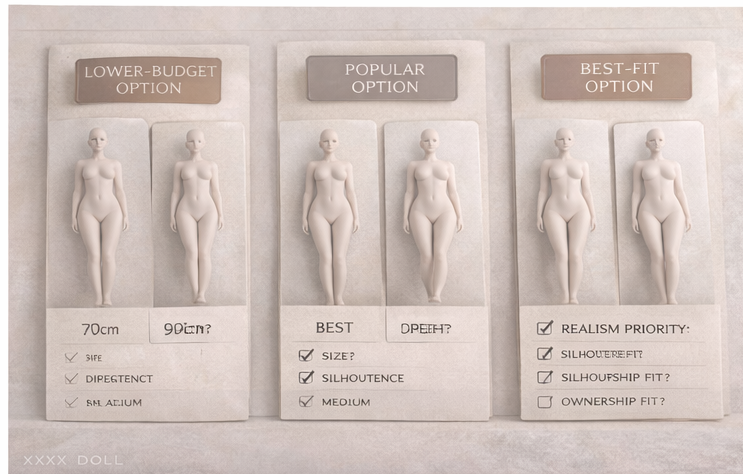
Common Buyer Questions
Are cheap sex dolls worth it if the fit is wrong?
Not really. A cheaper listing only creates value when it still fits your actual needs. If the size, body direction, realism level, or ownership fit are wrong, the lower price usually does not solve the real problem. It simply makes the mismatch cheaper, not better.
What should first-time buyers compare before price?
First-time buyers usually do better when they compare size, body direction, realism priority, and material route before they compare price. Once those four parts are clearer, “best” and “cheap” become much more useful because they are being judged against real fit instead of guesswork.
6. A Buying Decision Should Still Make Sense Six Months Later
This is one of the most useful filters in the whole process.
Ask yourself:
Will this choice still feel right after the first shopping excitement wears off?
That question changes everything.
A lot of poor buying decisions are really short-term decisions:
- the listing looked exciting
- the price felt urgent
- the label said “best”
- the category sounded premium
- the feature emphasis stood out fast
But stronger decisions usually survive longer because they are built on:
- better silhouette fit
- more honest size logic
- a realism level the buyer actually wants
- a material route that makes sense for ownership
- a clearer long-term preference
A listing should not only feel convincing on the day you compare it. It should still make sense after the novelty fades.
That is where many buyers realize that buying clarity is more valuable than shopping speed.
7. The Best Sale Listing Is the One That Matches Your Decision Structure
This is the most important principle in the article.
The best listing is not the one with the loudest label.
It is the one that matches the structure of your actual preference:
- right size
- right silhouette
- right realism level
- right material route
- right ownership fit
- right long-term balance
This is why sales pages are often more dangerous than helpful for uncertain buyers. They make comparison look easy before the buyer has enough structure to compare well.
Once that structure is clear, however, “for sale,” “best,” and even “cheap” become much more useful. They stop acting like emotional triggers and start acting like decision filters.
That is what buyers should aim for.
A Better Way to Compare Sex Dolls for Sale
If you want a clearer buying process, compare in this order:
1. Start with size
What range actually fits your room and your preference?
2. Decide body direction
What silhouette do you genuinely want?
3. Define your realism priority
How important is realism compared with style, convenience, or budget?
4. Compare material route
Does TPE or silicone better support the ownership path you want?
5. Then look at price
What listing gives the strongest fit for the money?
6. Think long term
Will this still feel right after the first impression fades?
This is also where many buyers benefit from reading our custom sex doll guide, especially if they are trying to understand how face, body, size, and realism should work together before they start comparing listings by price.
Once the structure is clear, the shopping process becomes much more honest.
Final Verdict
“Sex dolls for sale,” “best sex dolls,” and “cheap sex dolls” are useful search terms, but weak buying decisions if used too early.
For most buyers, the best purchase usually comes from deciding:
- size first
- body type second
- realism priority third
- material route fourth
- price after that
That is because the strongest value is not the cheapest listing or the most hyped one.
It is the listing that best fits what you actually want.
So the real question is not:
“Which listing looks best right now?”
It is:
“Which listing matches my size, silhouette, realism, material, and long-term preference most honestly?”
That is where stronger buying decisions usually begin.

FAQ
What should I compare first before buying sex dolls online?
Usually size first, then body type, realism priority, and material route before comparing price.
Are “best sex dolls” lists reliable?
They can be helpful for discovery, but they are usually too broad unless you already know your size, silhouette, and realism preference.
Is a cheap listing always a bad choice?
No. A cheaper listing can still be a strong choice if it fits your actual needs and ownership style.
Should I decide material before size?
Usually no. Material makes more sense after your overall design direction starts becoming clear.
What causes the most regret in online buying?
Most regret comes from comparing too early by price, hype, or labels instead of by actual fit.
Compare Next
What Makes a Doll Look More Realistic
Learn what makes a sex doll look more realistic by comparing body proportions, face style, surface finish, material direction, size balance, and overall visual coherence.
Custom Sex Doll Buying Guide
Learn how to choose a custom sex doll by deciding size, body type, face style, realism level, and design coherence before selecting customization options.
Related Guides
Sex Doll Size Guide
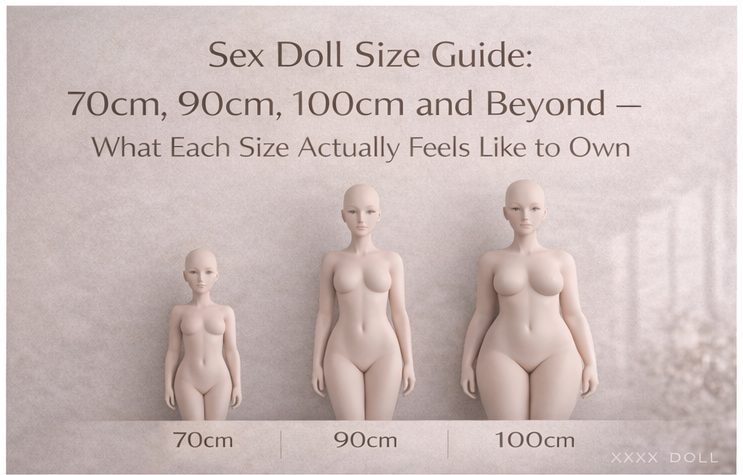
Compare sex doll size options by 70cm, 90cm, 100cm and beyond, including weight, storage, handling, realism expectations, and long-term ownership fit.
Body Type Buying Guide
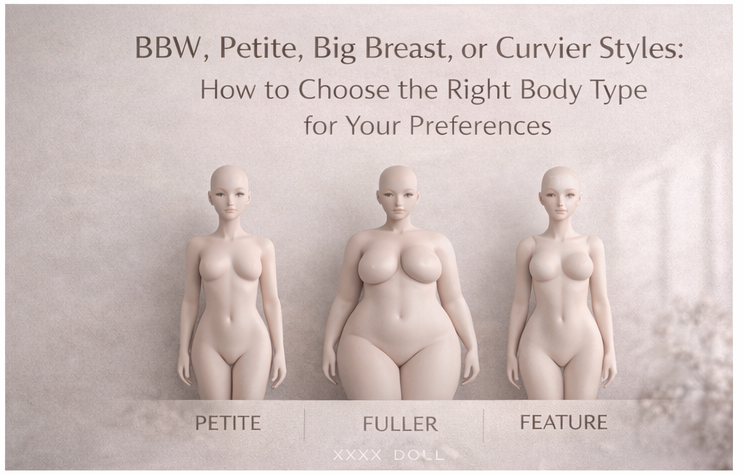
Compare BBW, petite, big breast, and curvier body directions by silhouette, realism, size balance, and long-term preference before choosing the right body type.
TPE vs Silicone Sex Doll
Compare TPE vs silicone sex doll options by realism, maintenance, finish, durability expectations, and long-term ownership fit before choosing the right material direction.
Start Here
Sex Doll Size Guide
Compare sex doll size options by 70cm, 90cm, 100cm and beyond, including weight, storage, handling, realism expectations, and long-term ownership fit.
Body Type Buying Guide
Compare BBW, petite, big breast, and curvier body directions by silhouette, realism, size balance, and long-term preference before choosing the right body type.